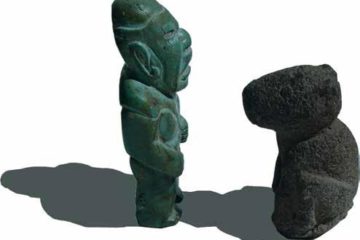
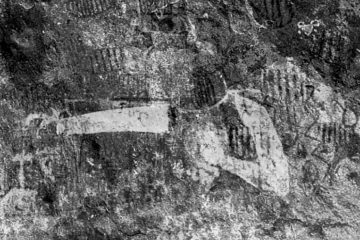
This project explores how communities across Mesoamerica took diverse paths in the transition from an egalitarian and mobile forager-cultivator way of life in the Archaic period to sedentism, agriculture, and social complexity of the Formative period. For the case of Eastern Guerrero, this project explores the hypothesis that a subsistence economy based on foraging and plant cultivation persisted into the Formative Period and that the manifestation of Olmec iconography marked a change to an economy based on agriculture, permanent settlements, and the emergence of a ranked society with leaders who manipulated access to ideology and resources.

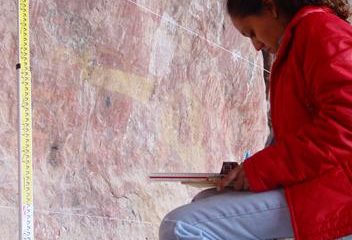
Project Description
Research objectives
The research objectives of the project were: Assess whether the pre-Olmec use of caves in Eastern Guerrero involved foragers periodically living in them, practicing a mixed economy; Test whether the ancient people stopped using the Read more…