Methods
Medicinal and edible plants
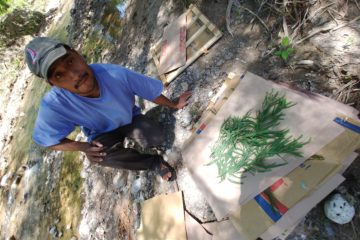
Collection of medicinal and edible plants to compare with paleobotanical remains
Methods
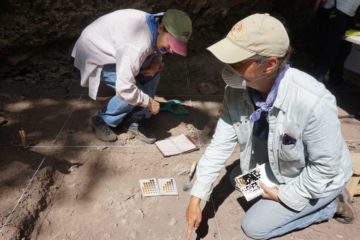
Excavation rock shelter Cacalotepexi 1
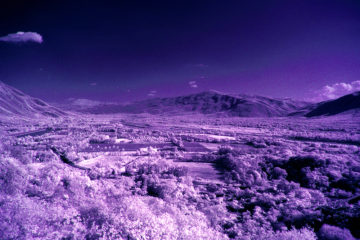
During our cave reconnaissance in 2016, two rockshelters were located outside of the town of Chiepetlan, in the municipality of Tlapa, in a narrow and deep barranca of the headwaters of the Zizitla River called Barranca Cacalotepexi.
Methods
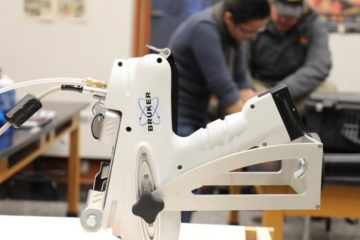
X-ray fluorescence (XRF)
X-ray fluorescence (XRF) is the emission of characteristic “secondary” (or fluorescent) X-rays from a material that has been bombarded by high-energy X-rays or gamma rays. The phenomenon is widely used for elemental and chemical analysis, particularly in the investigation of Read more…
Project Description
Research objectives
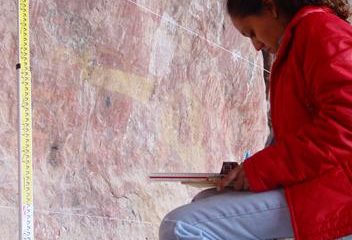
The research objectives of the project were: Assess whether the pre-Olmec use of caves in Eastern Guerrero involved foragers periodically living in them, practicing a mixed economy; Test whether the ancient people stopped using the caves as seasonal foraging camps Read more…
Project Description
Significance
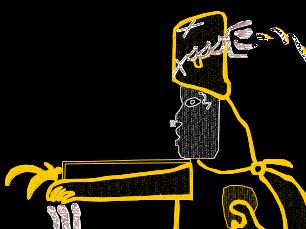
This project explores how communities across Mesoamerica took diverse paths in the transition from an egalitarian and mobile forager-cultivator way of life in the Archaic period to sedentism, agriculture, and social complexity of the Formative period. For the case of Read more…
Project Description
Previous Research
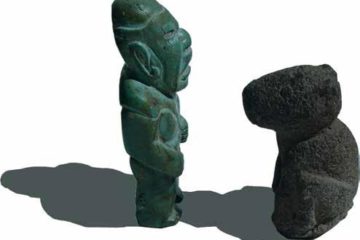
The sites of Contlalco and La Coquera in the valley of Tlapa were excavated in 2004 by the PI. Both date from the Middle to Late Formative periods (750 BC-AD 200). Excavations there also suggested that earlier periods of occupations Read more…
Project Description
The Olmec and Guerrero
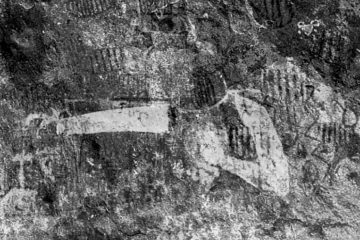
Sociopolitical complexity developed in Mesoamerica beginning in the initial Early Formative period (1700-1200 BC) with the transition from egalitarian communities to ranked societies, although there are also disagreements as to causes, processes, place, and timing of the archaeological correlates associated Read more…
Project Description
What is Pre-Olmec in Guerrero?
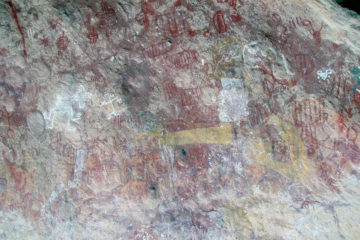
Defining the pre-Olmec people of Guerrero is a difficult task since relatively little is known about them. While the Olmec mural of Cauadziziqui provides the Formative period ceiling, the pre-Olmec mural may date any time before that, although a Paleo-Indian date for the mural seems unlikely.